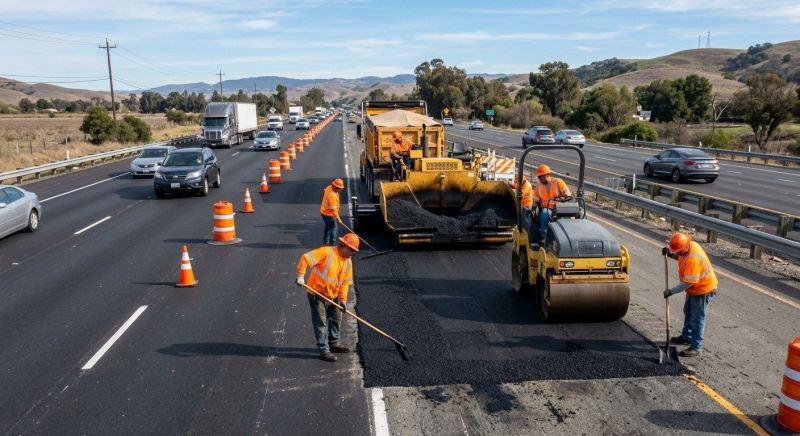
Highway Resurfacing in Little Rock, AR
Highway resurfacing services involve the process of restoring and renewing existing roadways to improve safety, durability, and appearance. This service typically covers projects such as repaving residential streets, driveways, parking lots, and other paved surfaces that have experienced wear and tear over time. Property owners often seek resurfacing to address issues like cracks, potholes, uneven surfaces, or faded markings, ensuring the roadway remains functional and visually appealing.
Before requesting highway resurfacing, property owners usually want to understand the scope of the project, including the current condition of the pavement and the expected lifespan of the new surface. It’s also helpful to consider the type of asphalt or surface material best suited for the specific area, as well as any necessary preparation work such as clearing debris or repairing underlying issues. Clarifying these details can help ensure the resurfacing process meets the needs of the property and provides a long-lasting result.
Many property owners in Little Rock, AR look into Highway Resurfacing for repairs, replacements, upgrades, and appearance-related improvements.
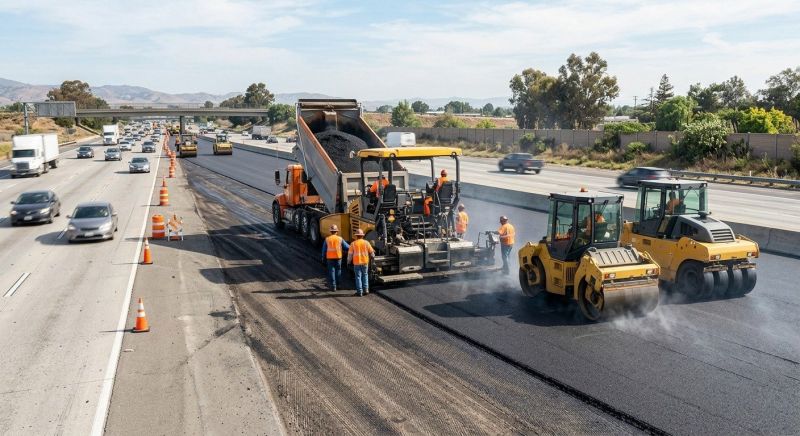
Benefits Of Highway Resurfacing
Restores smoothness and safety for daily traffic and heavy vehicles.
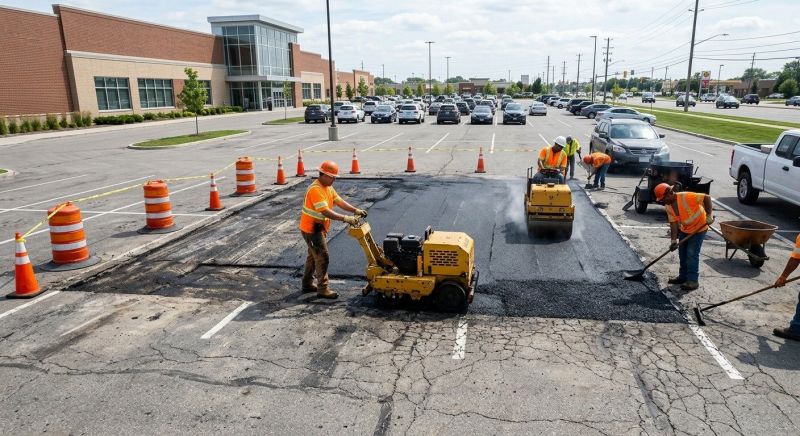
Common Resurfacing Projects
Repairs worn-out roads, parking lots, and access roads around little rock.
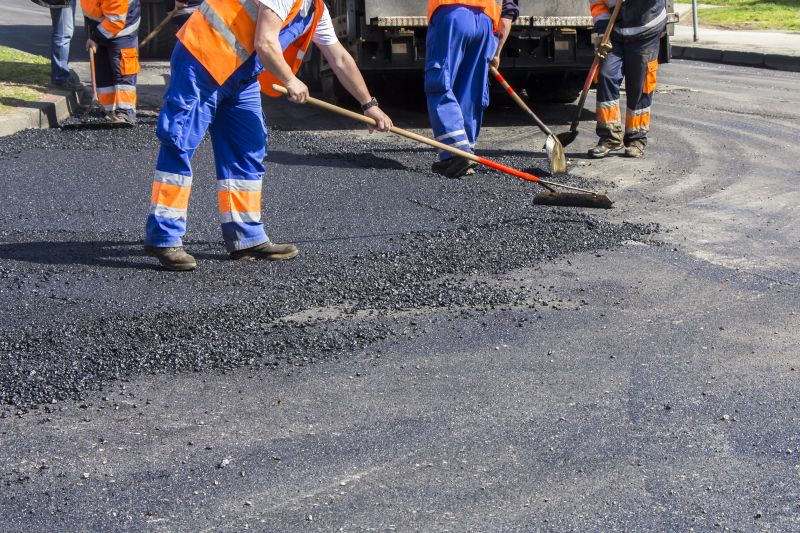
Key Factors To Consider
Proper surface preparation and quality materials ensure long-lasting results.
Highway Resurfacing in Little Rock, AR
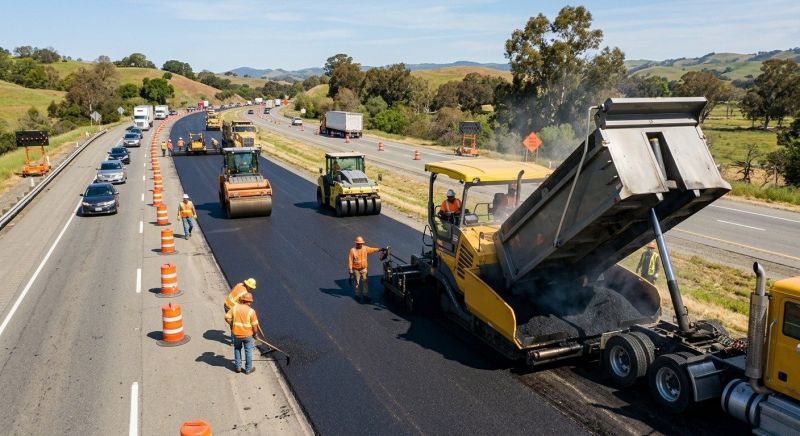
Highway resurfacing services involve the process of restoring and renewing existing roadways to improve safety, durability, and appearance. This service typically covers projects such as repaving residential streets, driveways, parking lots, and other paved surfaces that have experienced wear and tear over time. Property owners often seek resurfacing to address issues like cracks, potholes, uneven surfaces, or faded markings, ensuring the roadway remains functional and visually appealing.
Before requesting highway resurfacing, property owners usually want to understand the scope of the project, including the current condition of the pavement and the expected lifespan of the new surface. It’s also helpful to consider the type of asphalt or surface material best suited for the specific area, as well as any necessary preparation work such as clearing debris or repairing underlying issues. Clarifying these details can help ensure the resurfacing process meets the needs of the property and provides a long-lasting result.
Many property owners in Little Rock, AR look into Highway Resurfacing for repairs, replacements, upgrades, and appearance-related improvements.
Common Highway Resurfacing Jobs
Highway Resurfacing - Restores the surface of existing roads to improve safety and driving conditions.
Pavement Overlay - Adds a new layer of asphalt over worn or damaged pavement for a smoother ride.
Crack Sealing - Seals cracks to prevent water infiltration and extend the lifespan of the pavement.
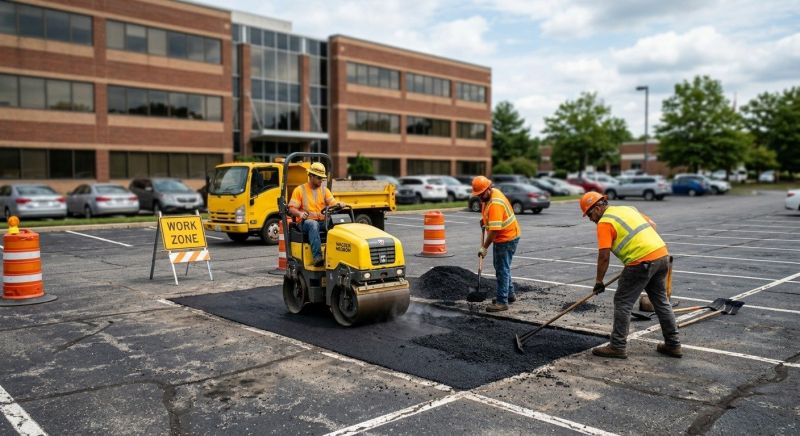
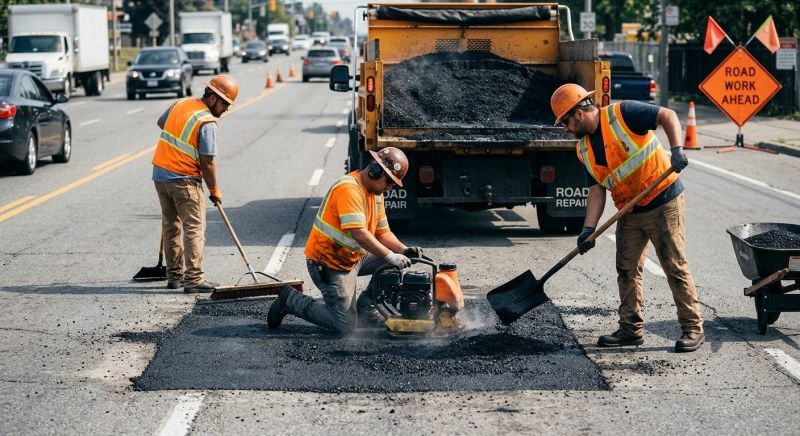
Surface Repair - Fixes potholes and surface irregularities to enhance road durability and appearance.
Line Striping - Re-applies traffic markings for clear lane divisions and improved traffic flow.
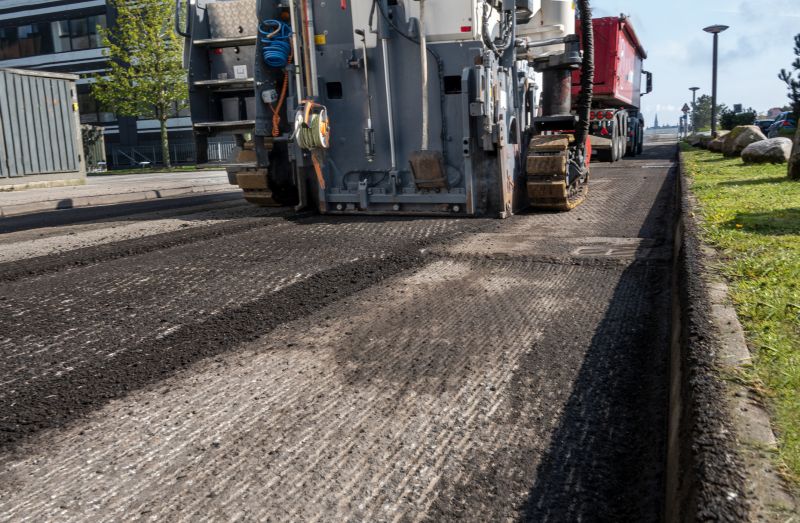
Full-Depth Reclamation - Recycles existing pavement materials to create a solid, stable road base.
Highway Resurfacing Questions
What types of surfaces can be resurfaced? Highway resurfacing typically involves asphalt or concrete pavements to restore smoothness and durability.
Is resurfacing suitable for all highway conditions? Resurfacing is most effective on roads with existing pavement damage but still structurally sound.
What benefits does highway resurfacing provide? It improves driving safety, extends pavement life, and enhances the overall appearance of the roadway.
What projects are commonly requested for resurfacing? Common projects include highways, parking lots, driveways, and access roads requiring repair and renewal.
Request Highway Resurfacing in Little Rock, AR
Use the quote form on this page to share the basics of your project and request more information for the type of work you need.